Potting mix is a crucial component for any plant enthusiast, whether you’re a seasoned gardener or a novice looking to nurture your first houseplant. Understanding potting mix and the measurements used in gardening can seem daunting, especially when it comes to conversions like quarts. This article will guide you through the essentials of potting mix, help you grasp quart conversions, and provide valuable tips for choosing the right mix for your plants.
What is Potting Mix?

Potting mix, often referred to as potting soil, is a specially formulated blend of materials designed to provide the ideal environment for potted plants. Unlike garden soil, potting mix is sterilized and free from pests and diseases, making it perfect for container gardening. It typically consists of various ingredients that enhance drainage, aeration, and moisture retention.
Key Components of Potting Mix

Understanding the components of potting mix can help you choose the right one for your plants. Here are some common ingredients:
- Sphagnum Moss: Retains moisture and adds acidity.
- Peat Moss: Provides nutrients and aeration.
- Coconut Coir: An eco-friendly alternative to peat that retains moisture.
- Perlite: Lightweight volcanic glass that improves drainage.
- Vermiculite: Expands when heated and retains moisture.
- Compost: Adds nutrients and beneficial microorganisms.
The Importance of Measurement in Gardening
When it comes to gardening, accurate measurements can make a significant difference. Using the right amount of potting mix ensures that your plants have sufficient space for root growth and access to nutrients. In gardening, measurements are often given in quarts, gallons, or cubic feet, depending on the size of the project.
Understanding Quarts: A Measurement Breakdown
A quart is a unit of volume measurement commonly used in the United States. It is essential to know how to convert quarts into other measurements, particularly when dealing with larger quantities of potting mix. Here’s a breakdown:
- 1 Quart (qt) = 0.25 Gallons
- 1 Quart (qt) = 32 Fluid Ounces (fl oz)
- 1 Quart (qt) = 4 Cups
- 1 Cubic Foot (cf) = 7.5 Gallons = 30 Quarts
How to Convert Quarts to Other Measurements
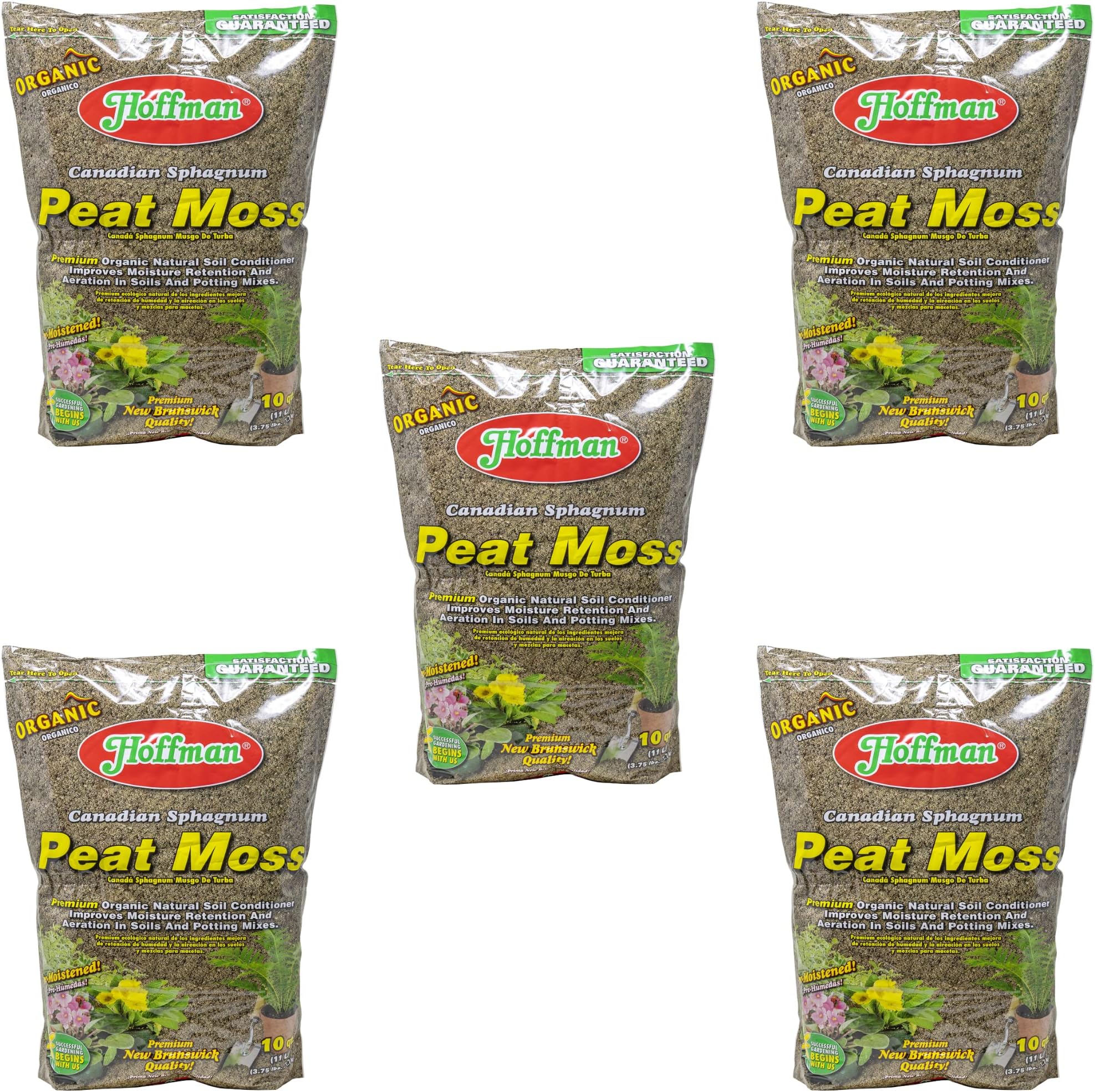
When purchasing potting mix, you may encounter various sizing options. Here’s how to convert quarts into other measurements you might need:
- To Convert Quarts to Gallons: Divide the number of quarts by 4.
- To Convert Quarts to Cups: Multiply the number of quarts by 4.
- To Convert Quarts to Cubic Feet: Divide the number of quarts by 30.
For example, if you need 10 quarts of potting mix:
- In gallons: 10 qt ÷ 4 = 2.5 gallons
- In cups: 10 qt × 4 = 40 cups
- In cubic feet: 10 qt ÷ 30 = 0.33 cf
Choosing the Right Potting Mix for Your Plants

Not all potting mixes are created equal. Different plants have different needs, so it’s vital to select a mix that aligns with your plants’ requirements. Here are some tips:
- For Succulents and Cacti: Choose a mix with excellent drainage. Look for ingredients like sand or perlite.
- For Seedlings: A lightweight mix that retains moisture is ideal. A mix with peat moss is often recommended.
- For Indoor Plants: Look for a mix that provides good aeration and nutrient retention.
- For Orchids: Use a specialized orchid mix that includes bark and other chunky materials.
Common Pitfalls to Avoid

Even experienced gardeners can make mistakes when it comes to potting mix. Here are some common pitfalls to avoid:
- Overwatering: Using a mix that retains too much moisture can lead to root rot.
- Underestimating Volume: Always calculate the volume of potting mix needed based on the size of your containers.
- Ignoring pH Levels: Some plants require specific pH levels for optimal growth. Test your potting mix if necessary.
Case Studies: Successful Gardening with the Right Potting Mix
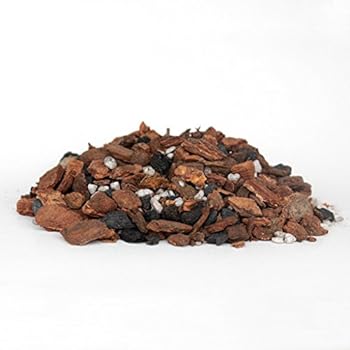
Several gardeners have experienced significant success by paying attention to their potting mix choices. Here are a couple of case studies:
- Urban Gardener in a Small Apartment: A small-space gardener used a coconut coir-based mix for her houseplants, which thrived due to its excellent moisture-retention properties. She reported less frequent watering, allowing her to maintain her busy lifestyle.
- Community Garden Initiative: A community garden switched to a peat-free mix to promote sustainability. They found that using a mix rich in compost led to healthier plants and higher yields, benefiting the entire neighborhood.
Understanding potting mix and quart conversions is essential for any gardener looking to optimize their plant care. By selecting the right mix based on your specific plants’ needs and knowing how to convert measurements, you can ensure a thriving garden. Remember to keep in mind the various components of potting mix, the importance of accurate measurements, and common pitfalls to avoid. Whether you’re nurturing houseplants or cultivating a garden, the right potting mix will set you on the path to success. Happy gardening!